Builders dust is fine, persistent and difficult to clear. Learn how to remove it properly after renovation work without spreading it further.
Knowing how to remove builders dust is essential after renovation work because this dust does not behave like ordinary household dust. It is finer, heavier and more persistent. It settles on obvious surfaces, but also inside cupboards, along skirting boards, on door frames, around sockets and across floors. Wipe too quickly and it smears. Vacuum with unsuitable equipment and it may return to the air. The right approach is patient, ordered and thorough.
How to remove builders dust without spreading it
The first principle is to work in the right order. Begin by allowing the air to settle after works have stopped. Remove large debris and trade waste. Then clean from high to low, so dust that falls from ledges, door tops and shelves is dealt with before floors are finished.
Dry removal usually comes before damp wiping. Fine plaster dust can turn paste-like if too much water is applied immediately. A careful vacuum and dusting process helps lift loose particles first. Damp wiping can then remove remaining residue from suitable surfaces.
Use repeated light passes rather than one aggressive attempt. Builders dust often needs more than one clean, especially after sanding, plastering or floor work.

Why builders dust keeps coming back
Builders dust returns because it settles slowly. Renovation work pushes fine particles into the air, and they may continue to fall for hours or days. Dust can also sit in gaps, vents, cupboards, fabric, radiators and floor edges, then move when doors open or heating comes on.
If cleaning starts while trades are still sanding, drilling or snagging, new dust will be created immediately. If floors are cleaned before high ledges, dust falls onto them again. If cupboards are filled before being wiped, dust becomes trapped behind stored items.
This is why professional after building cleaning is so useful. It follows a sequence designed for post-work residue rather than ordinary domestic dust.
What creates the worst dust?
Plastering, sanding, carpentry, cutting tiles, removing walls, fitting kitchens, installing floors and decorating can all create fine dust. The most persistent dust often comes from plaster and sanding because the particles are extremely fine and cling to surfaces.
Even small works can spread dust beyond the room being renovated. It travels under doors, through air movement and on shoes. A bathroom renovation can leave dust in a hallway. A kitchen project can affect nearby living spaces.
Step one: prepare the space
Before cleaning, remove tools, offcuts, packaging and trade waste. Open cupboards and drawers that need cleaning. Check that newly painted surfaces are dry enough to be touched. Identify delicate materials such as natural stone, specialist tiles, timber, polished plaster, new paint or bespoke cabinetry.
Ventilate carefully, but avoid creating strong draughts that blow dust from one room to another. If the works are still producing dust, wait until they are complete or plan for a staged clean.
Protecting new finishes is just as important as removing dust. Builders dust can be abrasive, so dragging it across surfaces may cause fine scratches. A careful method matters.
Step two: clean from high to low
Start with high ledges, tops of doors, curtain tracks, shelves, picture rails, light fittings where appropriate and the upper edges of built-in furniture. Then move to walls, switches, sockets, handles, cupboard fronts, skirting boards and floors.
High-to-low cleaning prevents finished areas from being spoiled by falling dust. It also helps ensure the room is cleaned as a whole rather than in disconnected sections.
Use suitable tools for each surface. Soft dusting tools, careful vacuuming and lightly damp cloths all have their place. Avoid soaking surfaces, especially new paint, timber or areas where water could enter gaps.
Step three: deal with cupboards and storage
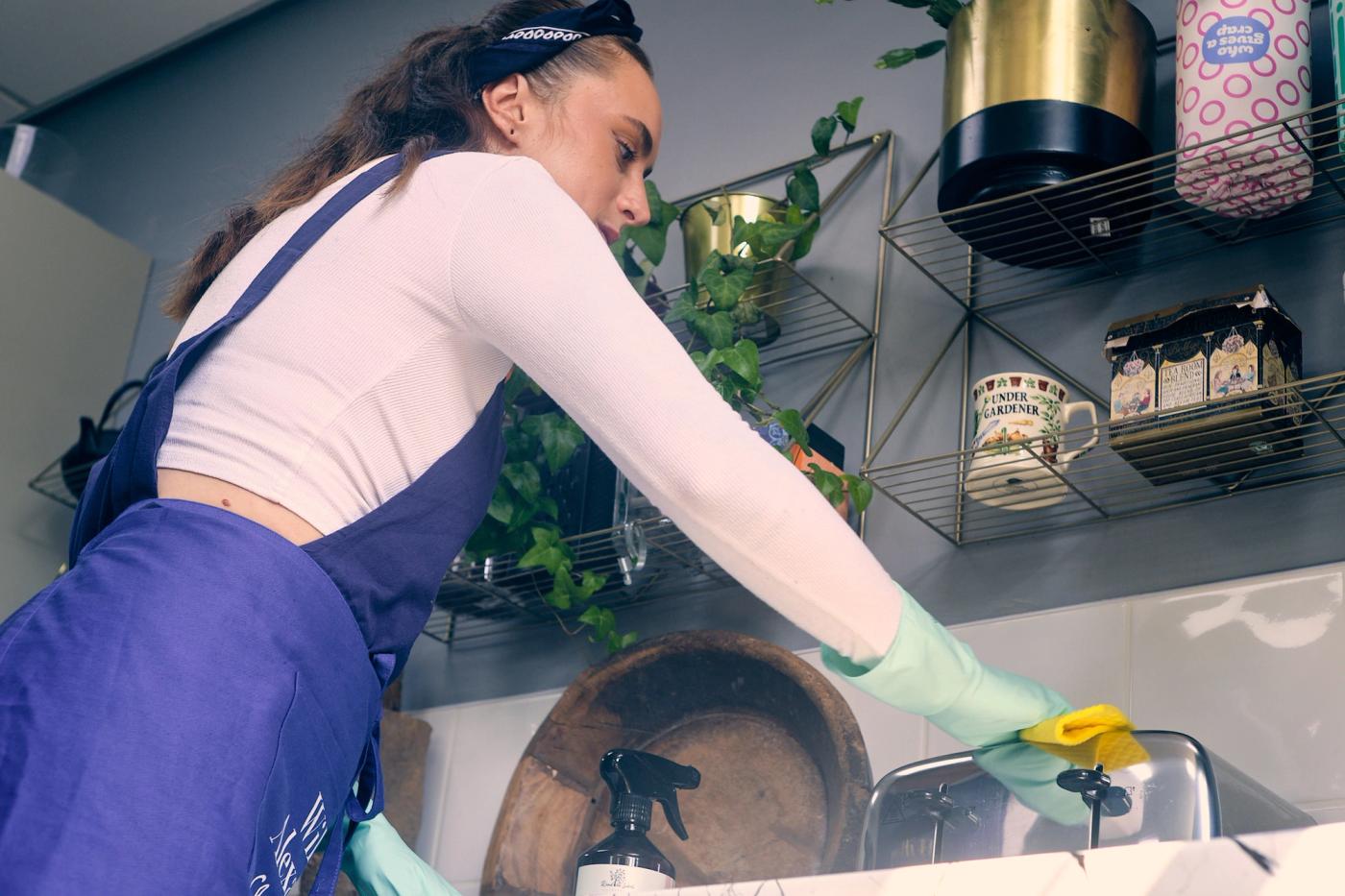
Cupboards are often forgotten until the day items are put away. New kitchen cabinets, wardrobes, utility cupboards and built-in storage can hold a fine layer of dust inside. Wipe them before filling them, otherwise dust becomes trapped behind crockery, clothing or household items.
Kitchen cupboards need particular care after renovations because sawdust, plaster dust and installation residue may sit in corners and along shelf edges. Drawers should be opened and cleaned inside where possible. Wardrobes may need vacuuming and wiping before clothes return.
This step makes the difference between a room that looks clean and a room that feels truly ready to use.
Step four: clean floors carefully
Floors collect everything. Vacuum thoroughly with suitable equipment, paying attention to edges, corners, thresholds and under radiators. Hard floors may then be mopped according to material. New wood, stone, porcelain, vinyl and tile all need different care, so avoid harsh products or excessive water unless appropriate.
Carpets may need repeated vacuuming because dust settles into fibres. Rugs and soft furnishings that remained in the property during works may also need attention.
Do not rush the final floor clean. It is the last step that makes the space feel habitable again.
Step five: return for a follow-up if needed
Even after a thorough after builders clean, a small amount of dust may resettle. This is normal after larger works. A follow-up clean a week or two later can remove the fine residue that appears once the home is in use again.
Regular cleaning can also help stabilise the home after renovation. Once the major dust is removed, weekly or fortnightly maintenance keeps new surfaces looking fresh and prevents the property from sliding back into disorder.
The first clean does the heavy lifting. The follow-up gives polish.
Why professional after building cleaning helps
Professional cleaners understand the order, patience and detail required. Willow Alexander provides after building cleans across London and Kent for homes and commercial spaces. Teams arrive with the products and equipment needed, so clients do not need to provide anything. If clients prefer their own products, they can simply say so.
The company is family-run, with fully insured, vetted teams. Every cleaner is DBS-checked, reference-verified and trained to the Willow Alexander standard before working in a client's home. Products are low-tox and plant-based, kind to families and pets, with less single-use waste.
For a newly renovated home, this combination of care and structure is particularly valuable. New finishes deserve careful handling.
Mistakes to avoid when removing builders dust
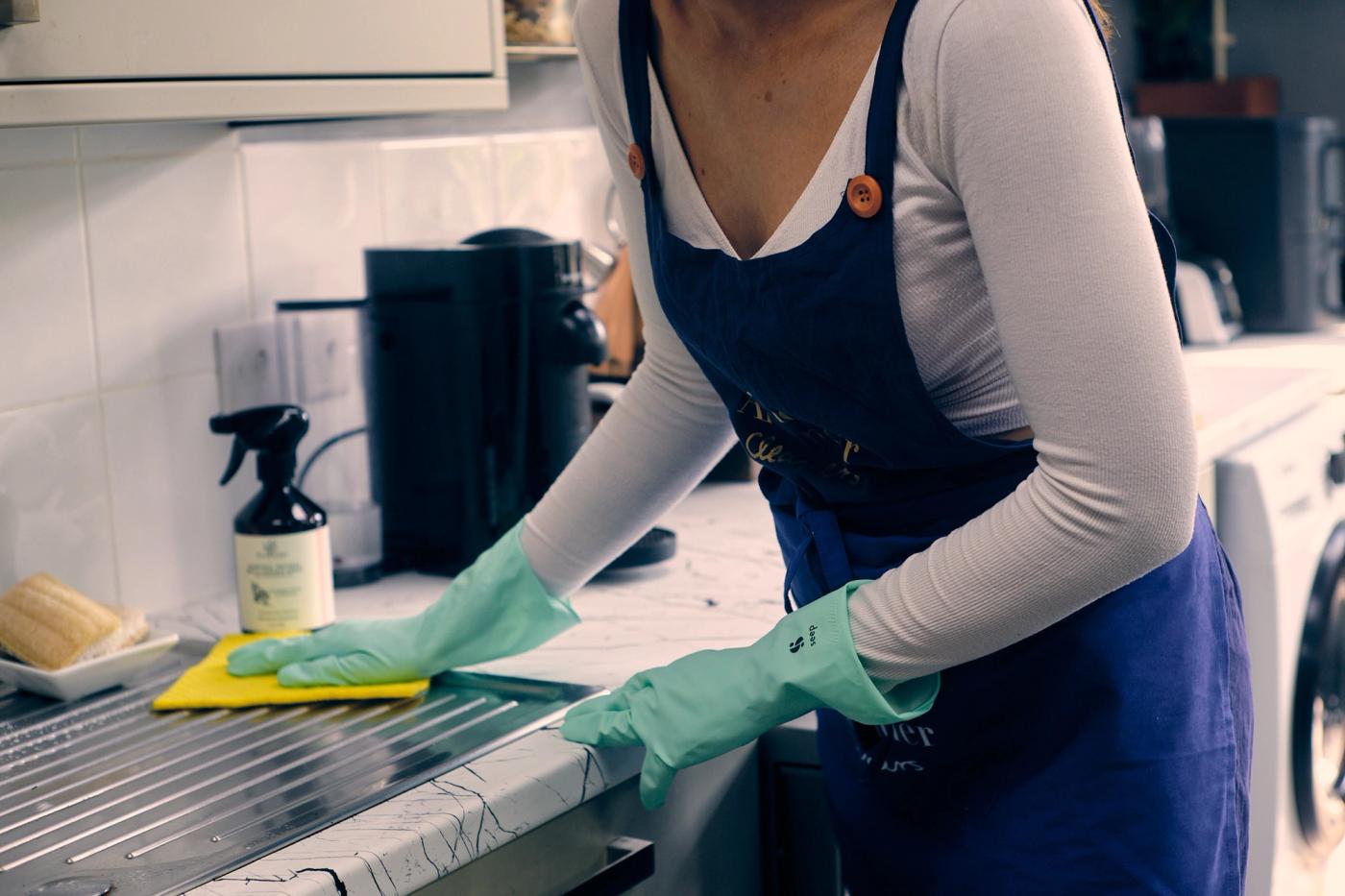
Avoid starting too soon, before dusty works are complete. Avoid wet wiping heavy plaster dust before loose particles have been removed. Avoid using abrasive pads on new surfaces. Avoid filling cupboards before they have been cleaned. Avoid assuming one quick pass will be enough.
Most importantly, avoid treating the clean as an afterthought. Renovation dust can dull the sense of satisfaction that should come with completed works. Planning the clean as part of the project gives a better finish.
A clean finish for a completed renovation
Learning how to remove builders dust means respecting the way it moves, settles and returns. The solution is not haste, but sequence: prepare the space, clean high to low, remove loose dust first, wipe carefully, finish floors and allow for a follow-up if needed. With a proper after builders clean, the renovation can finally feel complete, and the home can return to being lived in, not worked on.
Common questions
How do you remove builders dust properly?
Remove large debris first, then clean from high to low. Use careful dry dust removal before damp wiping suitable surfaces, and finish with thorough floor cleaning.
Why does builders dust keep coming back?
Fine dust can remain airborne and settle slowly after work ends. It may also hide in cupboards, vents, gaps, fabrics and floor edges before reappearing.
Can I mop builders dust straight away?
It is usually better to remove loose dust first. Damp mopping heavy plaster dust too soon can create smears or paste on the floor.
Do I need a professional after builders clean?
For renovation, plastering, sanding, kitchen fitting or larger works, professional after building cleaning is often the most practical way to remove dust thoroughly and protect new finishes.