A calm, practical guide to end of tenancy cleaning, inventories, common missed areas and how a thorough clean can help protect your deposit.
End of tenancy cleaning is one of the most important tasks in the final days of a rental. Packing may feel more urgent, but the cleanliness of the property can have a direct effect on how smoothly the check-out process goes. The aim is simple: return the home to the standard of cleanliness recorded at the start of the tenancy, allowing for fair wear and tear. A careful clean helps reduce disputes, protect your deposit and leave the property properly prepared for its next chapter.
Why end of tenancy cleaning matters for your deposit
At check-out, the property is usually compared with the inventory and check-in report. If the home was professionally clean or very clean at the beginning, it should be returned to a comparable standard at the end. Deposit deductions for cleaning are commonly linked to evidence, such as photographs, inventories and check-out notes.
This is why end of tenancy cleaning should be approached methodically. It is not enough for the property to look generally tidy. Ovens, bathrooms, floors, skirting boards, windows, cupboards, appliances and hidden corners may all be inspected. Dust on ledges, limescale in bathrooms or crumbs inside drawers can become points of discussion.
A professional end of tenancy clean is designed around this level of scrutiny. It focuses on the whole property rather than the parts that are easiest to see.
What should an end of tenancy clean include?
An end of tenancy clean should cover every room in the property, with particular attention to kitchens and bathrooms. These are the areas most likely to hold grease, limescale, odours and residue. Bedrooms, living rooms and hallways also need detailed dusting, vacuuming, mopping and surface care.
A thorough clean may include:
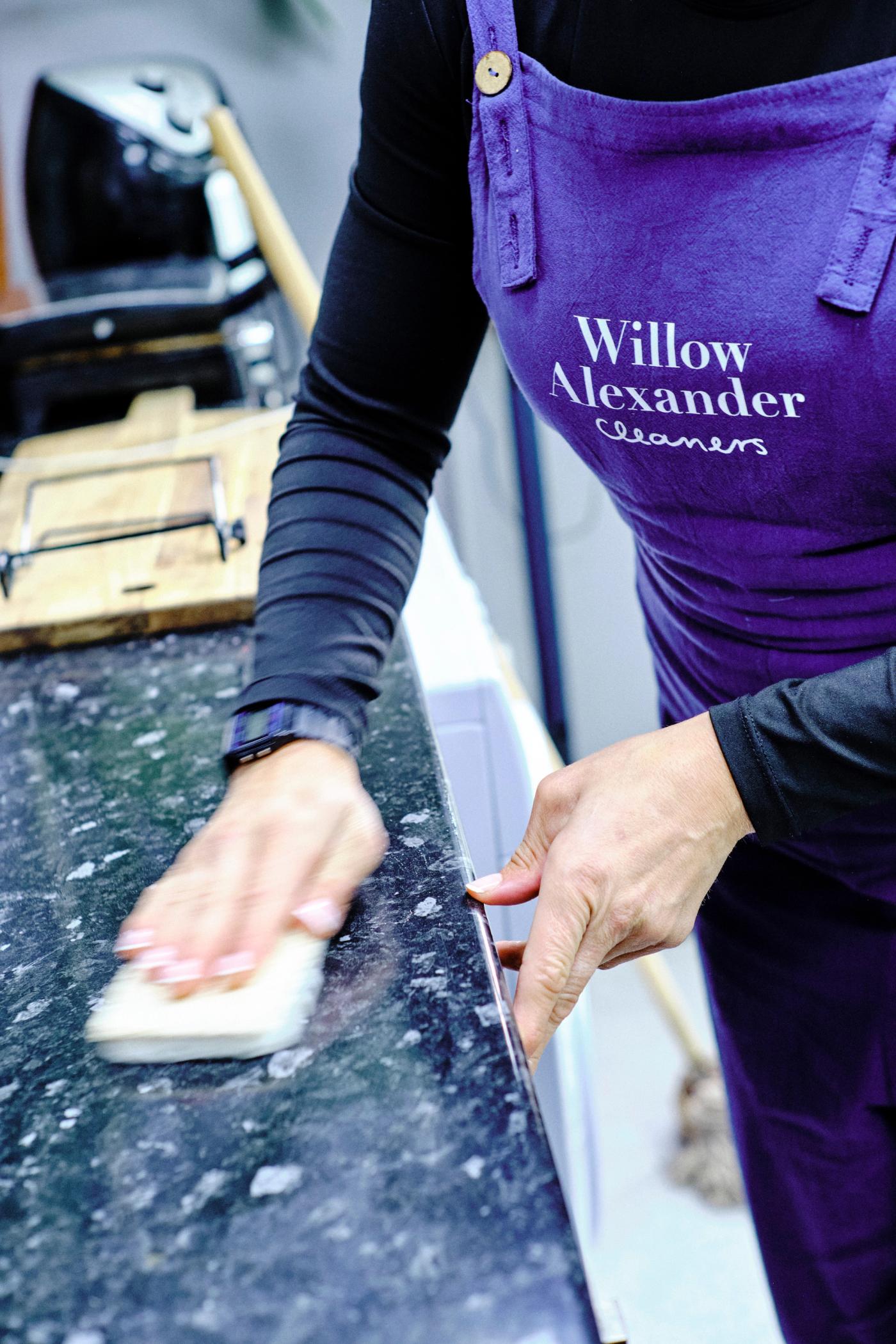
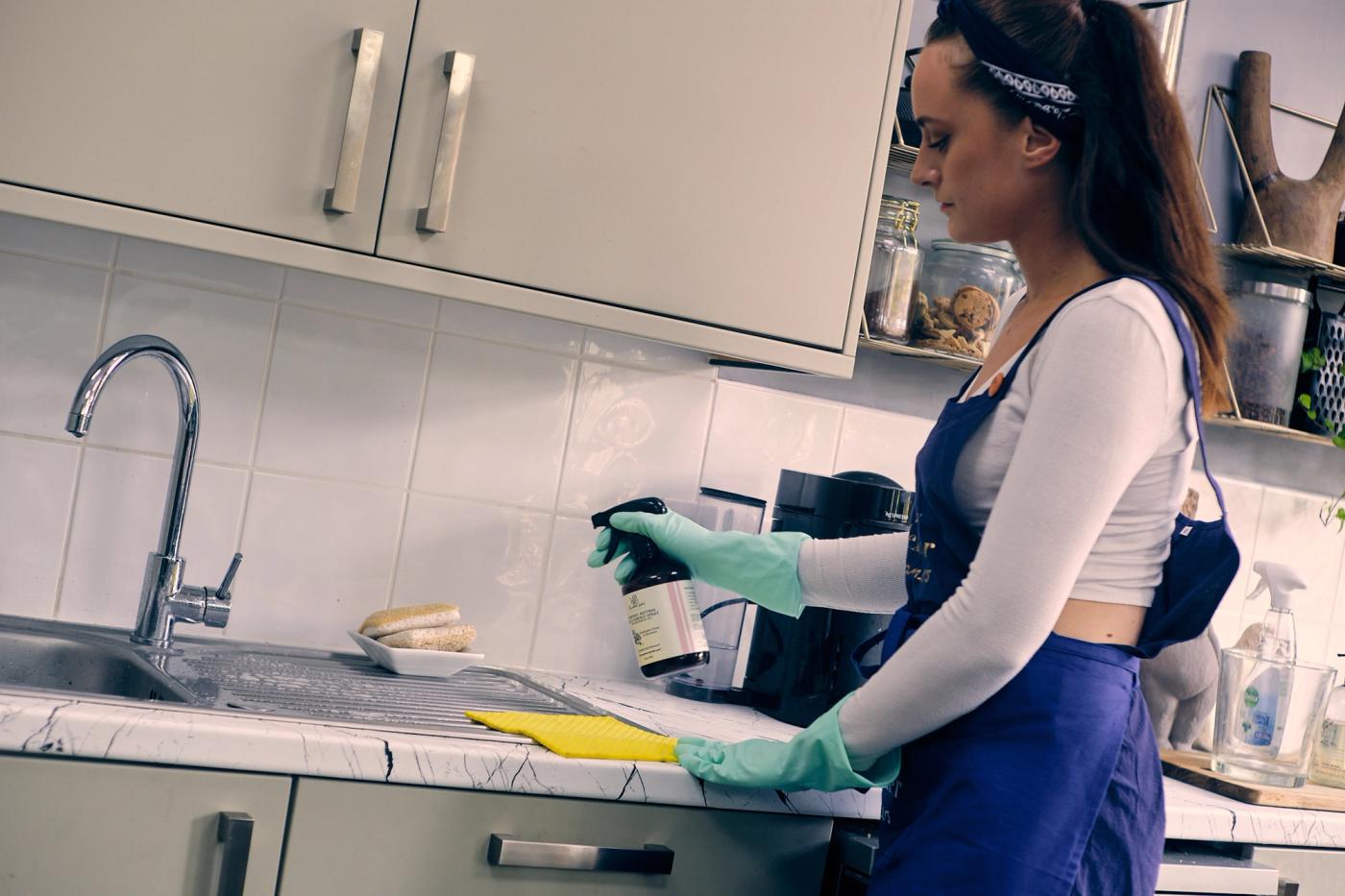
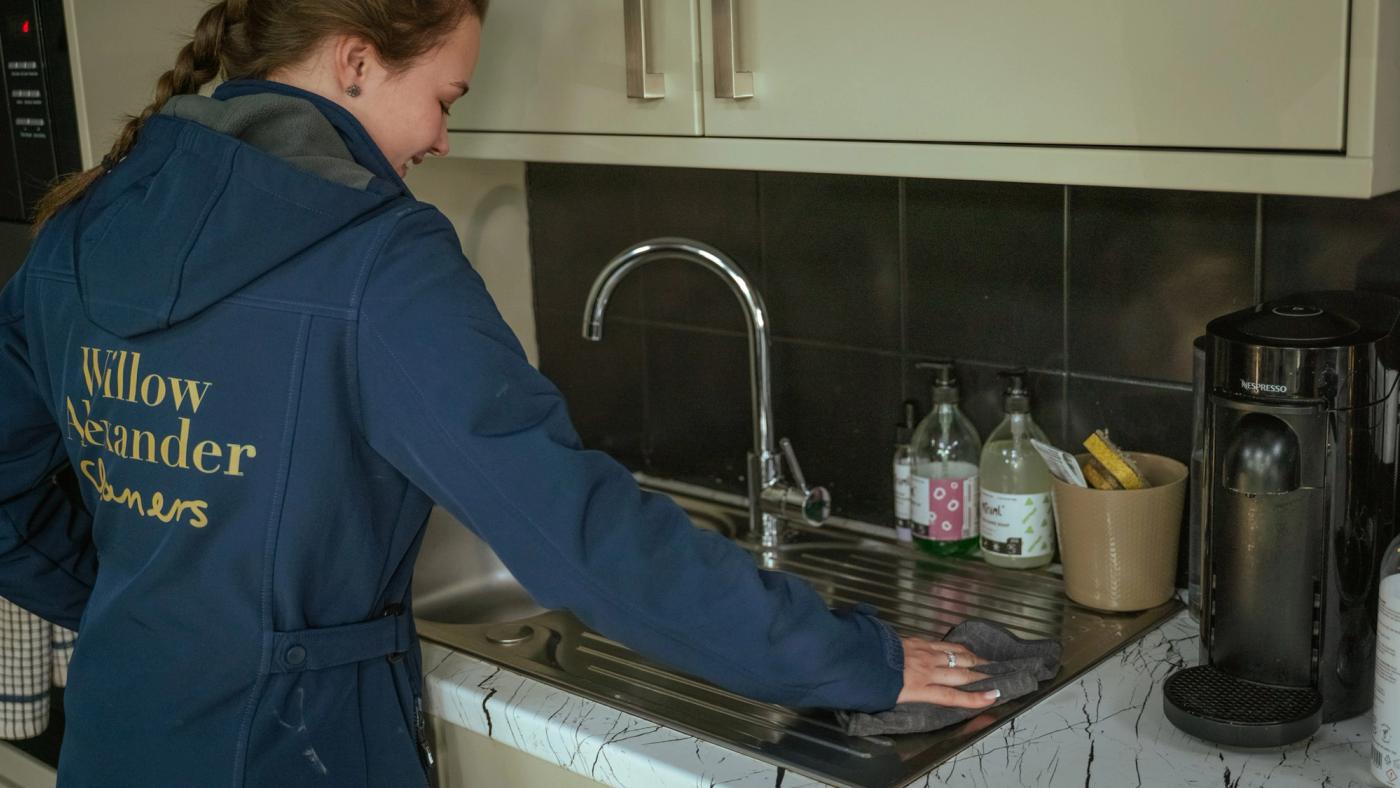
- Kitchen worktops, sinks, taps and splashbacks
- Exterior cupboards and accessible interior cupboards once emptied
- Hob, extractor exterior and appliance surfaces
- Bathrooms, including basins, loos, baths, showers, screens, mirrors and fittings
- Skirting boards, switches, handles and accessible ledges
- Vacuuming carpets and rugs
- Mopping hard floors
- Internal glass, mirrors and visible marks where agreed
- Dusting accessible surfaces, shelves and built-in storage
The property should be empty before cleaning wherever possible. Cleaners can work more thoroughly when furniture, personal items and packed boxes are not in the way.
Why the inventory is your starting point
The inventory is one of the most useful documents in an end of tenancy clean. It records the condition of the property at the start, often with photographs and notes. Before cleaning, read it carefully. Look for wording such as "professionally cleaned", "domestically clean", "light dust", "limescale present" or "carpets vacuumed". These details help set the standard you are trying to meet.
If the inventory notes that the oven, carpets or windows were clean at check-in, those areas should not be overlooked at check-out. If the property was not perfectly clean at the start, the tenant is generally not expected to improve it beyond that original condition, but they should still return it clean and tidy.
Take dated photographs after the clean, especially of areas that commonly cause disputes. This gives you a record of the condition you left behind.
The difference between cleanliness and wear
Cleaning and wear are not the same. Wear relates to reasonable use over time, such as light fading or ordinary ageing. Cleanliness is about whether dirt, dust, grease, limescale or residue has been removed. A surface may be old and still clean. A new surface may be dirty.
This distinction matters because deposit discussions often focus on whether the property has been returned in a clean condition. A thorough clean helps make that conversation clearer.
The areas tenants most often miss
End of tenancy cleaning is demanding because the missed areas are often small. Inside cupboards and drawers, behind doors, around plug sockets, along skirting boards and under furniture lines can all be inspected. Bathrooms often need more time than expected because limescale, soap residue and water marks settle around taps, screens and tiles.
Kitchens are another common issue. Grease gathers on cupboard fronts, extractor areas, splashbacks and appliance edges. Crumbs collect inside drawers and under removable fittings. The fridge and freezer should be emptied and cleaned, with time allowed for defrosting where necessary.
Hallways and stairs matter too. These areas carry the movement of the tenancy and often show dust, grit and marks.
Should you clean yourself or book a professional?
Some tenants clean themselves successfully, especially in smaller properties that have been well maintained. However, end of tenancy cleaning often takes longer than expected. The property must be emptied, the clean must be detailed, and the standard may be judged closely.
A professional clean is often practical when the property is large, time is short, bathrooms or kitchens need detailed work, or the tenancy agreement and inventory point to a high standard of cleanliness. Willow Alexander provides end of tenancy cleans across London and Kent, with cleaners arriving with the products and equipment needed. If you prefer your own products, you can simply say so.
Professional cleaning can also reduce stress in the final days of moving, when attention is already divided between packing, keys, utilities and onward arrangements.
How landlords and property managers benefit
End of tenancy cleaning is not only useful for tenants. Landlords and property managers also benefit from a property that is ready to show, photograph or prepare for the next occupant. A clean property reduces delays, improves presentation and makes it easier to distinguish between cleaning needs and maintenance issues.
For managed portfolios, consistency matters. A trusted cleaning team can help maintain a standard across homes and commercial spaces, using low-tox, plant-based products and arriving with the equipment required.
A clean property also creates a better beginning for the next tenancy. The check-in report is clearer when the home starts from a properly cleaned baseline.
When should you book the clean?
Book the end of tenancy clean after removals wherever possible. Cleaning around boxes and furniture is less effective, and marks may be created after the cleaner leaves. Ideally, the property should be empty, utilities should still be connected, and keys should be available for access.
Leave enough time before check-out for the property to be inspected by you. Walk through each room, compare it with the inventory, and take photographs. If any final items remain, remove them before the cleaning begins.
Do not leave cleaning until the final hour. Moving days have a habit of becoming full.
A careful clean for a smoother departure
End of tenancy cleaning is about clarity. It helps show that the property has been returned with care, and it reduces the small cleaning issues that can become deposit disputes. By using the inventory, focusing on detail areas and arranging professional help where needed, tenants, landlords and property managers can make the end of a tenancy feel more orderly. A clean finish is one of the simplest ways to close the door well.
Common questions
What is included in end of tenancy cleaning?
End of tenancy cleaning usually covers kitchens, bathrooms, bedrooms, living areas, floors, skirting boards, cupboards, surfaces, mirrors and detail areas. The exact scope depends on the property and what is agreed.
Can end of tenancy cleaning help protect my deposit?
Yes. A thorough clean can help show that the property has been returned to the required standard of cleanliness, reducing the risk of cleaning-related deposit disputes.
Should the property be empty before the clean?
Ideally, yes. An empty property allows cleaners to access cupboards, floors, skirting boards and surfaces properly. Cleaning around boxes or furniture is less thorough.
Do cleaners bring products and equipment?
Yes. Willow Alexander cleaners arrive with the products and equipment needed. Clients who prefer their own products can simply say so.