A detailed end of tenancy cleaning checklist for kitchens, bathrooms, bedrooms and living areas, written around inventory and check-out standards.
An end of tenancy cleaning checklist should return every room to the standard recorded in the inventory, allowing for fair wear and tear. The goal is not simply to make the property look tidy. It is to prepare it for check-out, reduce cleaning-related deposit disputes and leave clear evidence that the home has been cleaned properly.
What should an end of tenancy cleaning checklist include?
An end of tenancy cleaning checklist should include kitchens, bathrooms, bedrooms, living areas, hallways, floors, skirting boards, cupboards, appliances, windowsills, switches, doors and bins. It should be worked through after belongings have been removed, because an empty property can be cleaned and inspected properly.
The inventory is your starting point. If the property was recorded as professionally clean or very clean at check-in, it should be returned to a comparable standard. If certain areas were already marked or worn, note that carefully and compare like with like.
The professional insight is that missed details cause many problems. A clean worktop helps, but crumbs inside drawers, limescale on taps or dust on skirting boards can still be raised at check-out.
What should you clean in the kitchen?
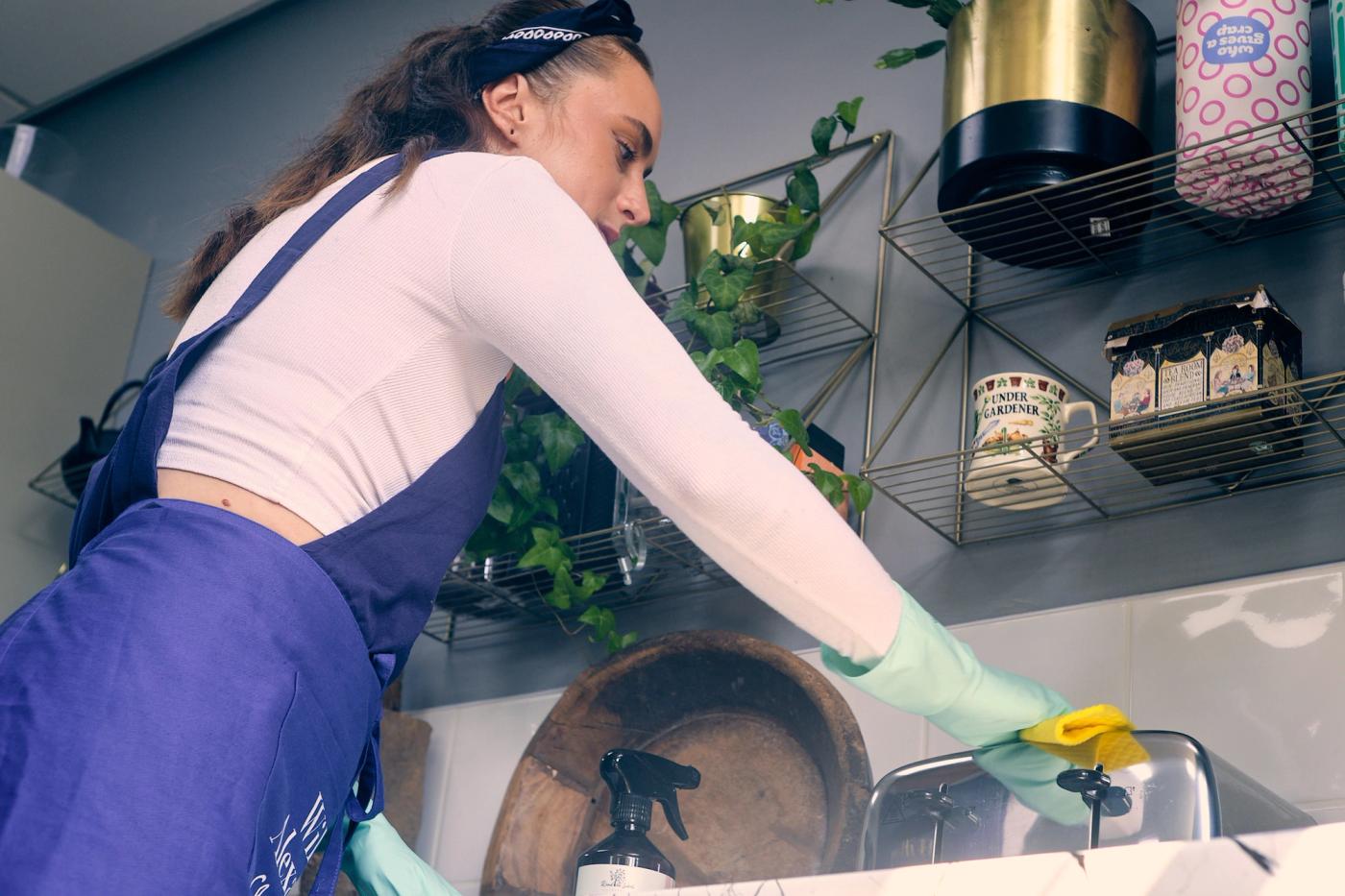
The kitchen usually needs the most detailed attention because grease, crumbs, limescale and odours gather in many places. Clean worktops, sink, taps, splashbacks, hob, extractor exterior, cupboard fronts, handles, drawers, shelves, appliance exteriors, bins and floors.
If included and agreed, clean inside the oven, fridge, freezer, microwave, cupboards and drawers. Remove all food. Defrost the freezer if required, allowing enough time. Wipe seals, shelves and corners. Clean under and behind movable appliances where possible and safe.
Kitchen checklist:
- Worktops and splashbacks
- Sink, taps and draining area
- Hob and oven exterior
- Extractor exterior
- Cupboard fronts and handles
- Inside empty cupboards and drawers where agreed
- Fridge and freezer interiors where agreed
- Bins and recycling areas
- Skirting boards and floors
- Switches, sockets and doors
What should you clean in the bathroom?
Bathrooms should be cleaned to remove limescale, soap residue, hair, dust, water marks and visible staining. Clean basins, taps, toilets, baths, showers, shower screens, mirrors, tiles, grout, shelves, extractor areas, bins and floors.
Hard water makes bathroom cleaning especially important in London and Kent. Taps, screens and toilets can show limescale even when the room has been cleaned lightly. Allow time for proper descaling where suitable.
Bathroom checklist:
- Basin, taps and plughole
- Toilet, seat, flush plate and surrounding floor
- Bath and shower tray
- Shower glass and fittings
- Tiles and grout
- Mirrors and cabinets
- Extractor cover where accessible
- Sealant, noting any staining or damage
- Skirting boards, doors and floors
- Bin and any storage areas
What if mould or stained sealant remains?
If sealant is mould-stained or damaged, cleaning may improve the surrounding area but not fully restore the silicone. Take photographs and note whether the sealant was already affected at check-in. Replacement is maintenance, while cleaning addresses residue and surface growth.
A professional clean should be honest about what can be cleaned and what is deterioration or repair.
What should you clean in bedrooms and living areas?
Bedrooms and living areas need dusting, vacuuming, skirting boards, ledges, switches, sockets, wardrobes, mirrors, internal doors and floors. Once furniture is removed, dust lines and hidden debris often appear where beds, sofas and wardrobes stood.
If carpets are present, vacuum thoroughly, paying attention to edges and corners. If professional carpet cleaning is required by agreement or condition, clarify this separately. Hard floors should be vacuumed and mopped according to material.
Room checklist:
- Dust accessible surfaces and ledges
- Clean skirting boards
- Vacuum carpets and rugs
- Mop hard floors
- Wipe switches, sockets and handles
- Clean mirrors and internal glass where agreed
- Clean inside wardrobes or cupboards once empty
- Remove cobwebs where accessible
- Check window ledges and frames
What about hallways, stairs and entrances?
Hallways and entrances carry the movement of the whole tenancy. They often collect grit, scuff marks, dust, pet hair and outdoor residue. Clean floors, stairs, bannisters, skirting boards, doors, handles, switches and any built-in storage.
Stairs should be vacuumed carefully, including edges. Hard entrance floors should be mopped. If there are marks on walls, treat them carefully according to paint type. Do not scrub so aggressively that the finish is damaged.
Entrances matter at check-out because they are the first area seen. A clean entrance sets the tone for the rest of the inspection.
How do you clean to the inventory standard?
Clean to the inventory standard by comparing each room with the check-in report before and after cleaning. Look at the language used. Was the property described as professionally cleaned, clean, dusty, marked or worn? Were carpets, ovens, cupboards or bathrooms noted specifically?
After cleaning, take dated photographs of the same areas. Focus on kitchens, bathrooms, floors, appliances, cupboards and any areas previously noted. Keep cleaning receipts or booking confirmations if using a professional service.
The inventory helps make the process fair. It prevents assumptions and gives both tenant and landlord something concrete to compare.
What are common cleaning-related deposit issues?
Common issues include ovens, extractor areas, limescale, shower screens, toilet bowls, inside cupboards, fridge interiors, skirting boards, carpets, pet hair and bins. These are the details most easily missed during a rushed move.
Cleaning disputes often arise because the property looks generally tidy but is not clean in the detailed areas. A checklist helps prevent that.
Should you clean yourself or book a professional?
You can clean yourself if you have time, the right products and a clear understanding of the inventory standard. However, end of tenancy cleaning is often more demanding than expected, especially once packing, removals and key return are also happening.
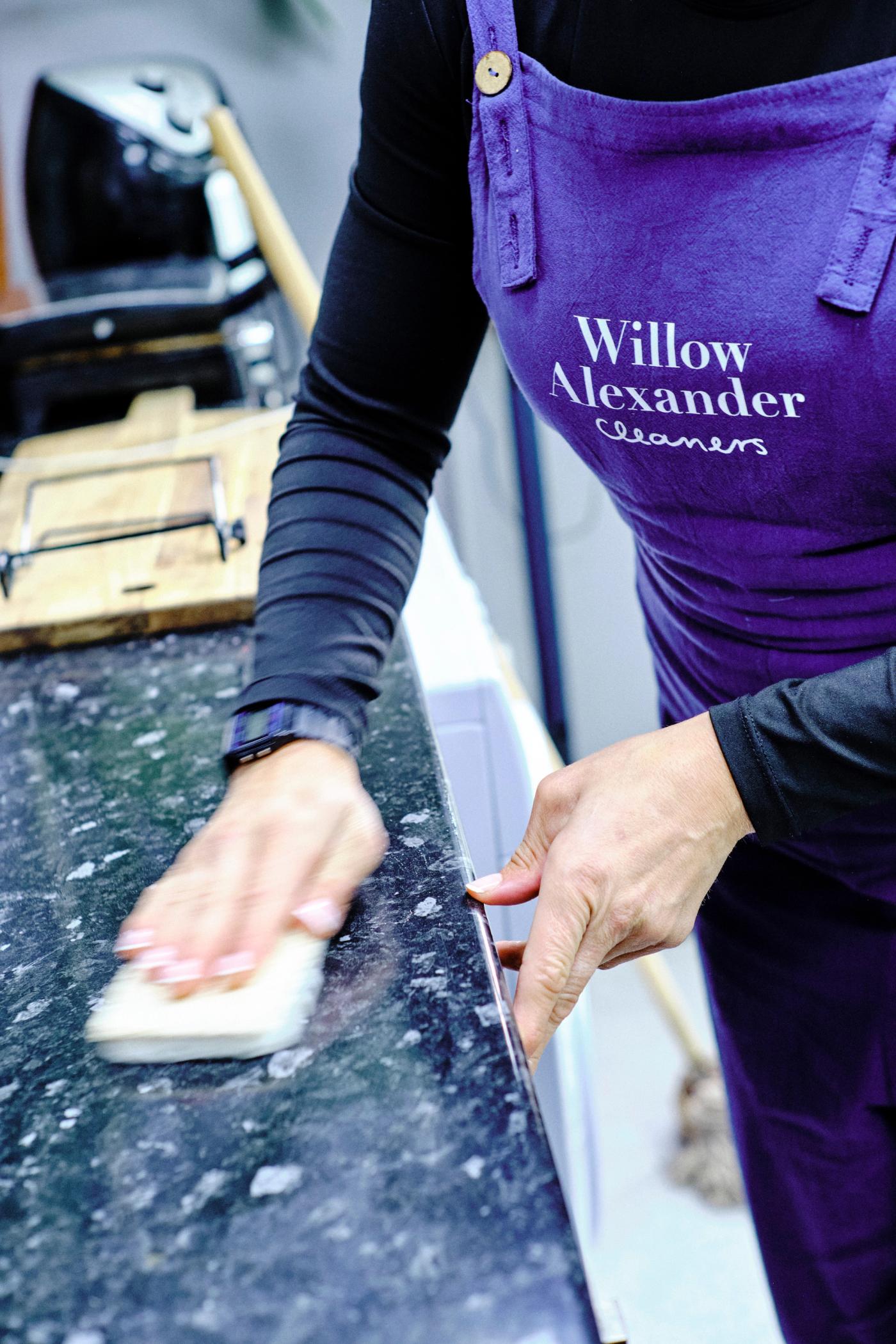
A professional End of Tenancy service is useful when the property is large, the inventory standard is high, time is limited, or bathrooms and kitchens need detailed work. Willow Alexander teams arrive with products and equipment, and clients who prefer their own products can simply say so.
The company is family-run, fully insured and uses vetted teams. Every cleaner is DBS-checked, reference-verified and trained to the Willow Alexander standard before working in a client’s home.
When should the end of tenancy clean happen?
The clean should happen after belongings and rubbish have been removed, but before final check-out. Utilities should still be connected, and cleaners should have access to water and electricity. If cleaning happens before removals, dust and marks may be created afterwards.
Allow time for your own final walk-through. Check cupboards, appliances, bathrooms, windowsills, floors and bins. Take photographs before returning keys.
Moving is full of small deadlines. The clean should be planned, not squeezed into the final hour.
Common questions
What is included in an end of tenancy cleaning checklist?
It should include kitchens, bathrooms, bedrooms, living areas, hallways, floors, cupboards, appliances, skirting boards, switches, doors and bins. The exact standard should be checked against the inventory.
Does end of tenancy cleaning protect my deposit?
A thorough clean can reduce cleaning-related deposit disputes by showing that the property has been returned to the required standard. Evidence such as photographs and receipts can help.
Should the property be empty before an end of tenancy clean?
Yes, wherever possible. An empty property allows cleaners to access floors, cupboards, skirting boards and hidden areas properly.
Do I need professional end of tenancy cleaning?
Not always, but it is often practical if the property was professionally cleaned at check-in, if time is limited, or if kitchens and bathrooms need detailed work.
What are the most commonly missed end of tenancy cleaning areas?
Ovens, extractor areas, inside cupboards, limescale, shower screens, skirting boards, carpets, fridge interiors and bins are often missed.
When should I book the clean?
Book after removals and before check-out. Leave enough time to inspect the property and take photographs before returning keys.