Eco-friendly cleaning products can work well when chosen carefully. Learn what to trust, what to avoid and why method still matters.
Eco friendly cleaning products can work very well when they are chosen for the right task and used properly. The best plant-based and low-tox products can clean everyday surfaces, kitchens, bathrooms and floors effectively, while reducing unnecessary harsh residue in the home. The important point is that eco-conscious cleaning still needs professional judgement. A gentle product used correctly is often better than a strong product used badly.
What are eco friendly cleaning products?
Eco friendly cleaning products are products designed to reduce unnecessary harm to people, pets and the wider environment while still cleaning effectively. They may use plant-based ingredients, enzyme action, lower-tox formulations, reduced single-use packaging or more responsible sourcing. Not every green-looking bottle is equal, so performance and suitability still matter.
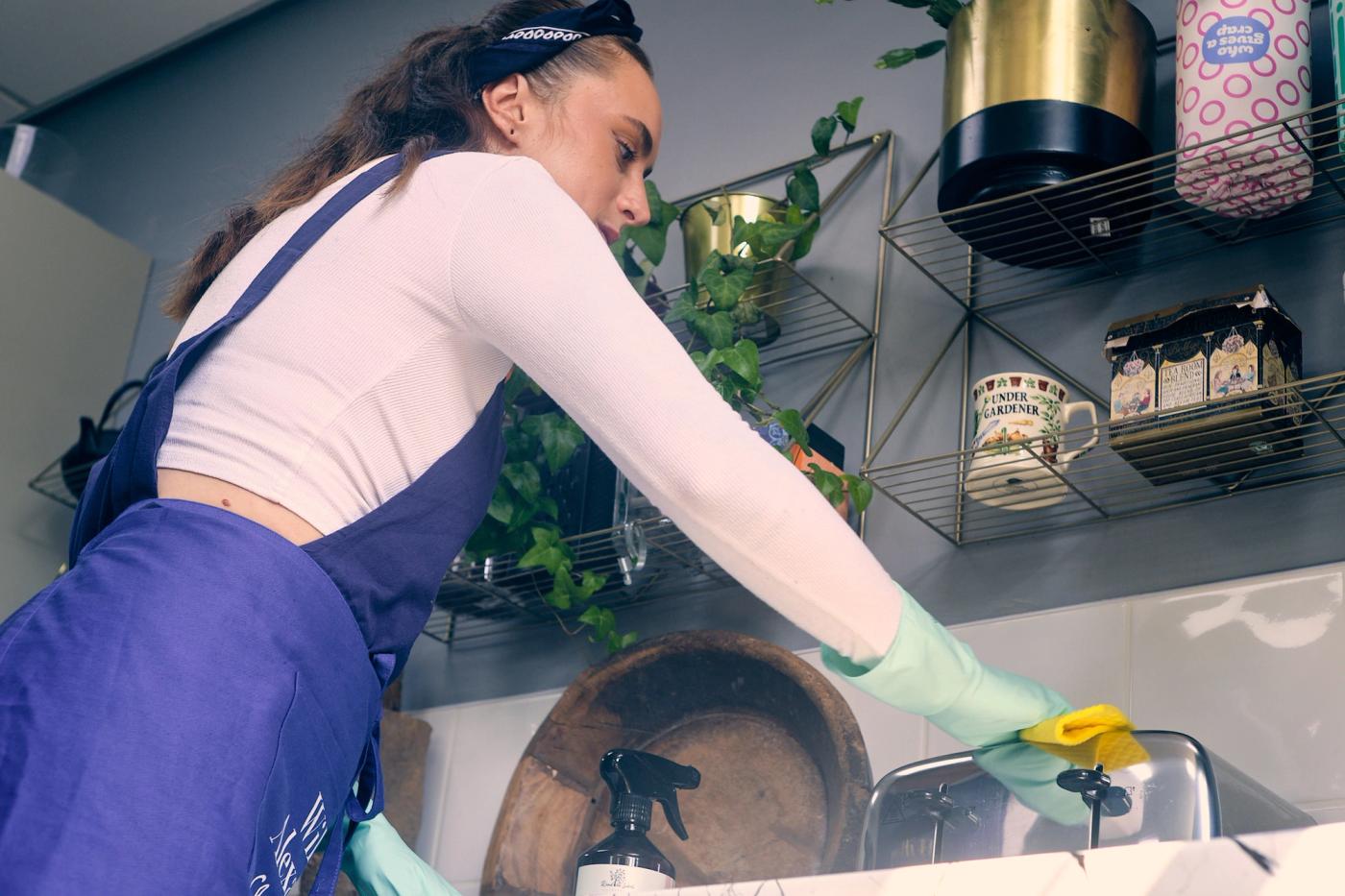
Willow Alexander Cleaners uses low-tox and plant-based products, kind to families and pets, with less single-use waste. The company is also Carbon Neutral since 2023, verified by One Carbon World to the Carbon Neutral International Standard and renewed annually, with a fully electric fleet across every route from London to Kent.
The professional insight is that product choice is only half the story. Good cleaning depends on method, contact time, tools, sequencing and knowing which surface you are treating.
Do eco friendly cleaning products actually work?
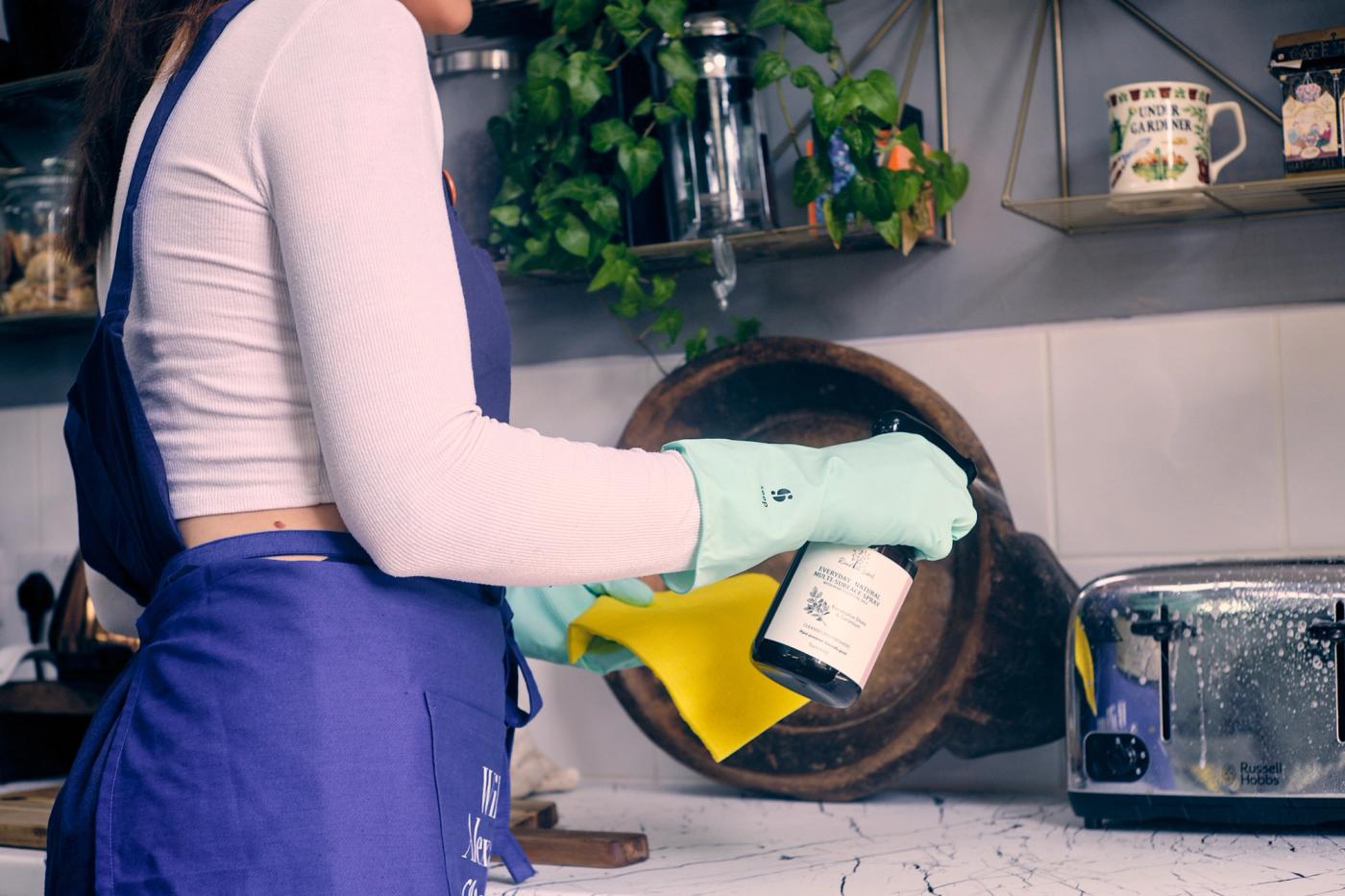
Yes, eco friendly cleaning products can work for many everyday cleaning tasks, including worktops, sinks, floors, bathrooms, dusting, light grease and general surface care. Enzyme-based and plant-based products can be particularly useful when they are matched to the right type of residue.
Where people become disappointed is usually in one of three situations. They use the wrong product for the task, they do not give the product time to work, or they expect one product to solve every problem. Limescale, grease, mould, soap residue and dust all need different approaches.
A professional cleaner does not choose a product because the label sounds pleasant. They choose it because it suits the surface and the soil.
When might a stronger specialist product be needed?
Some problems need specialist treatment. Heavy limescale, severe mould staining, post-construction residue and certain end of tenancy issues may need a more targeted approach. Even then, the goal is not to use the harshest option. It is to use the safest effective option for that surface.
Deep Cleaning often involves this kind of judgement. The cleaner must decide whether the mark is removable build-up, old staining, surface damage or a maintenance issue.
Are natural cleaning hacks always safe?
No, natural cleaning hacks are not always safe. Vinegar, lemon juice, bicarbonate of soda and steam can all be useful in the right context, but they can also damage surfaces when used incorrectly. Natural does not automatically mean gentle.
Undiluted vinegar can affect rubber seals, some plated finishes and natural stone. Lemon juice is acidic and can mark delicate surfaces. Abrasive powders can scratch glass, hob surfaces or polished finishes. Steam can damage some flooring, seals, paint or wood if used carelessly.
The most reliable cleaning is not viral. It is material-aware.
What eco cleaning myths should you ignore?
The first myth is that a strong smell means a better clean. Fragrance can mask odour, but it does not prove a surface is clean. The second myth is that vinegar is safe for everything. It is not. The third is that eco products cannot deal with real household cleaning. Many can, if used correctly.
Another myth is that every room needs disinfecting constantly. Most household cleaning is about removing dirt, residue, dust and build-up. Disinfection may have a place in specific situations, but it is not the same as cleaning and should not replace basic method.
A calm, consistent routine usually does more for the home than dramatic product use.
How do professional cleaners use eco-conscious products well?
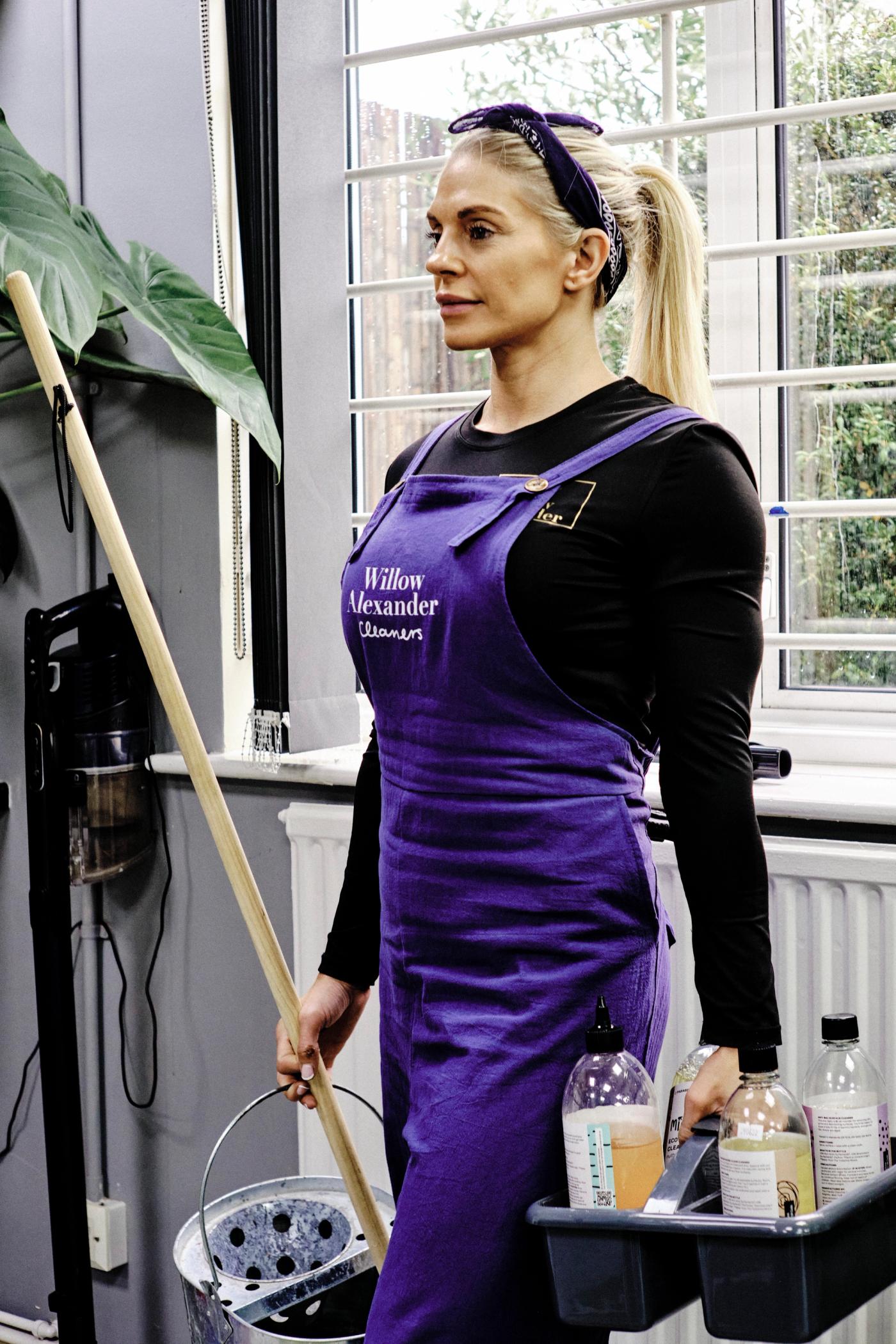
Professional cleaners use eco-conscious products by pairing them with the right tools, technique and timing. They know when to spray and leave a product briefly, when to wipe immediately, when to rinse, when to dry and when not to use a product on a particular finish.
For example, a low-tox bathroom product may work well on everyday soap residue when used regularly. But if months of limescale have built up, the cleaner may need a more focused descaling method. A plant-based kitchen cleaner may be excellent for worktops and cupboard fronts, while oven interiors may need different attention depending on condition.
Method turns a good product into a good result.
Are eco friendly products suitable for homes with pets and children?
Eco friendly and low-tox products can be a good fit for homes with pets and children, provided they are still used responsibly. Products should be chosen for the surface, used as directed, rinsed or dried where appropriate and stored safely. A gentler product does not mean it should be left out or used carelessly.
Willow Alexander’s plant-based approach is designed to be kind to families and pets while still achieving a professional clean. This is especially useful for Regular Cleaning, where products are used in the home week after week.
A cleaning routine should feel reassuring as well as effective.
How does carbon-conscious cleaning go beyond products?
Carbon-conscious cleaning is about more than what is inside the bottle. It includes transport, waste, equipment, product use and operating choices. Willow Alexander is Carbon Neutral since 2023, verified by One Carbon World to the Carbon Neutral International Standard and renewed annually. The company runs a fully electric fleet across every route from London to Kent, with zero tailpipe emissions.
This matters because professional cleaning involves travel as well as products. A genuinely considered approach looks at the whole service, not only the label on a spray bottle.
For clients who care about how their home or workplace is maintained, these choices add substance to the service.
How do you choose products for your own home?
Choose products by surface and task. Keep a small, reliable set rather than a crowded cupboard of bottles. Use a suitable kitchen cleaner, bathroom cleaner, glass method, floor product and descaling approach where needed. Read labels and avoid using acidic products on stone, harsh abrasives on delicate finishes or strong fragrance as a substitute for cleaning.
If you prefer your own products to be used during a Willow Alexander clean, simply say so. Otherwise, the team arrives with the products and equipment needed.
Good product choice makes cleaning simpler. Good routine makes it last.
The answer is yes, with the right method
Eco friendly cleaning products do work when they are chosen carefully and used with professional judgement. They are not a magic answer to every stain, and natural hacks are not always safe. But for many homes, low-tox and plant-based cleaning offers an effective, calmer way to maintain kitchens, bathrooms, floors and everyday spaces. Paired with regular routines, deep cleaning where needed and a carbon-conscious service model, it can be both practical and properly considered.
Common questions
Do eco friendly cleaning products actually work?
Yes, many eco friendly cleaning products work well for everyday cleaning when matched to the right surface and task. Method, contact time and tools are just as important as the product.
Are plant-based cleaners strong enough for bathrooms?
They can be effective for regular bathroom cleaning, soap residue and general maintenance. Heavy limescale or mould staining may need a more targeted deep-cleaning approach.
Is vinegar safe for all cleaning?
No. Vinegar can damage rubber seals, natural stone, some plated finishes and delicate surfaces, especially when used undiluted or left too long.
Are eco friendly products better for homes with pets?
Low-tox and plant-based products can be a good choice for homes with pets, but they should still be used and stored responsibly. Surfaces should be rinsed or dried where appropriate.
What is the difference between cleaning and disinfecting?
Cleaning removes dirt, residue and build-up. Disinfecting targets germs in specific situations. Most home maintenance begins with thorough cleaning.
Does Willow Alexander use eco friendly cleaning products?
Willow Alexander uses low-tox, plant-based products with less single-use waste, and runs a carbon-conscious service with a fully electric fleet.