A practical guide to keeping a pet-friendly home clean, from fur and paw marks to odour, floors, soft furnishings and regular routines.
Cleaning a house with pets is not about trying to remove every trace of the animals you love. It is about keeping the home fresh, comfortable and well cared for while accepting the realities of fur, paws, food bowls, bedding and daily life. Pets change the rhythm of cleaning. Floors need more attention, soft furnishings gather hair, entrances collect mud, and odour can settle quietly if routines slip.
Cleaning a house with pets: where to begin
Start with the areas pets use most. Entrances, kitchens, utility rooms, sitting rooms, stairs and sleeping spots usually need the most frequent attention. Pet hair travels, but it has starting points: beds, sofas, rugs, favourite chairs and the routes between garden, food and rest.
A good pet cleaning routine combines daily small habits with regular professional care. Daily habits might include wiping paws, shaking out pet bedding, clearing food spills and quick vacuuming of high-use areas. Weekly or fortnightly cleaning can then manage floors, dust, bathrooms, kitchens, surfaces and deeper fur removal.
The aim is not to make the home feel clinical. It is to stop pet mess from becoming the dominant feature of the house.
How often should pet owners clean?
Pet owners often benefit from weekly cleaning, especially if there is more than one animal or if pets shed heavily. Hair, dander, paw marks and odour can build quickly. Weekly cleaning keeps the home comfortable before the work becomes heavy.
Fortnightly cleaning may suit homes with one low-shedding pet, good daily habits and hard floors. However, if you find yourself vacuuming constantly, apologising for odours or avoiding certain rooms, weekly support may be more suitable.
A one-off clean can also help after muddy seasons, pet illness, guests, a new puppy, or when the home needs a reset before starting regular cleaning.
Managing pet hair on floors and furniture
Pet hair needs consistency. Vacuum high-use areas frequently, especially rugs, stairs, sofa edges and corners where hair gathers. Hard floors may look easier, but hair drifts into edges and under furniture. Carpets and rugs hold hair more deeply and need careful vacuuming.
Soft furnishings deserve attention. Throws, cushion covers and pet blankets should be washed or shaken out regularly according to care instructions. Pet beds can hold odour even when the room looks clean, so include them in the routine.
Grooming also matters. Brushing pets regularly reduces the amount of hair released into the home. The cleaning routine begins with the animal as much as the floor.
Where fur hides
Fur gathers under sofas, around table legs, along skirting boards, on stair edges, beneath radiators and in upholstery seams. These are the areas that make a home feel dusty even after a quick clean.
A professional cleaner can help by working systematically through edges and corners, rather than only the central floor space.
Paw marks, mud and entrances
The entrance is the first defence against pet mess. Keep a washable mat by the door, store towels nearby and wipe paws after wet walks. In homes with gardens, the route from door to kitchen or utility room should be cleaned regularly because it carries soil through the house.
Mud is easier to manage when it is contained early. Once it dries, it becomes dust. Once it is walked through several rooms, it becomes a whole-house task.
Hard floors near entrances should be vacuumed or swept before mopping, otherwise grit may drag across the surface. Skirting boards and lower doors may also need wiping because pets brush against them.
How to control pet odour
Pet odour builds gradually, so the people living in the home may notice it less than guests do. The main sources are bedding, soft furnishings, food bowls, litter areas, damp towels and floors around entrances. Cleaning these regularly makes a significant difference.
Wash pet bedding where suitable. Clean food and water bowls daily. Wipe the floor around feeding stations. Keep litter trays clean and the surrounding area fresh. Vacuum soft furnishings and air rooms when practical.
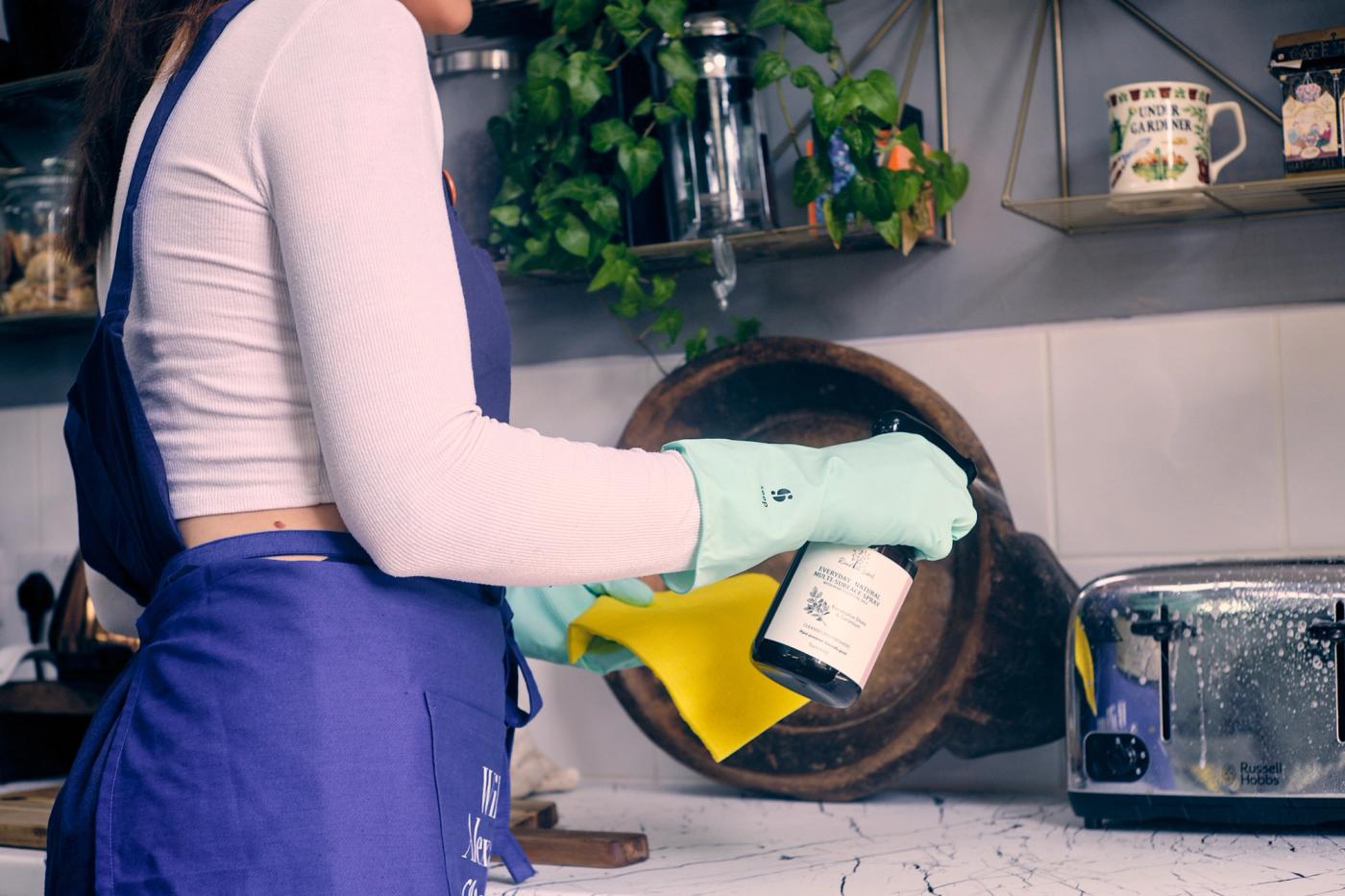
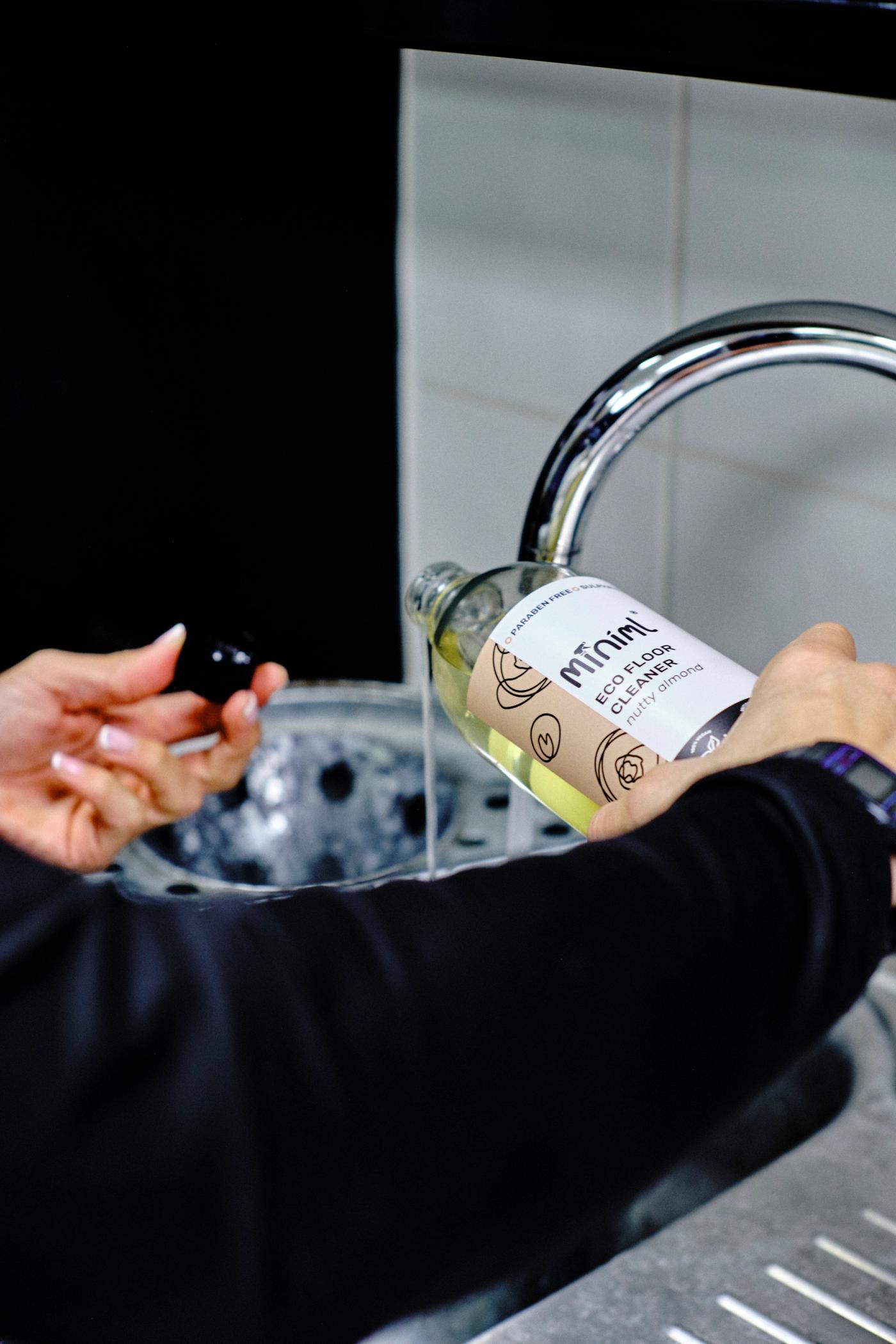
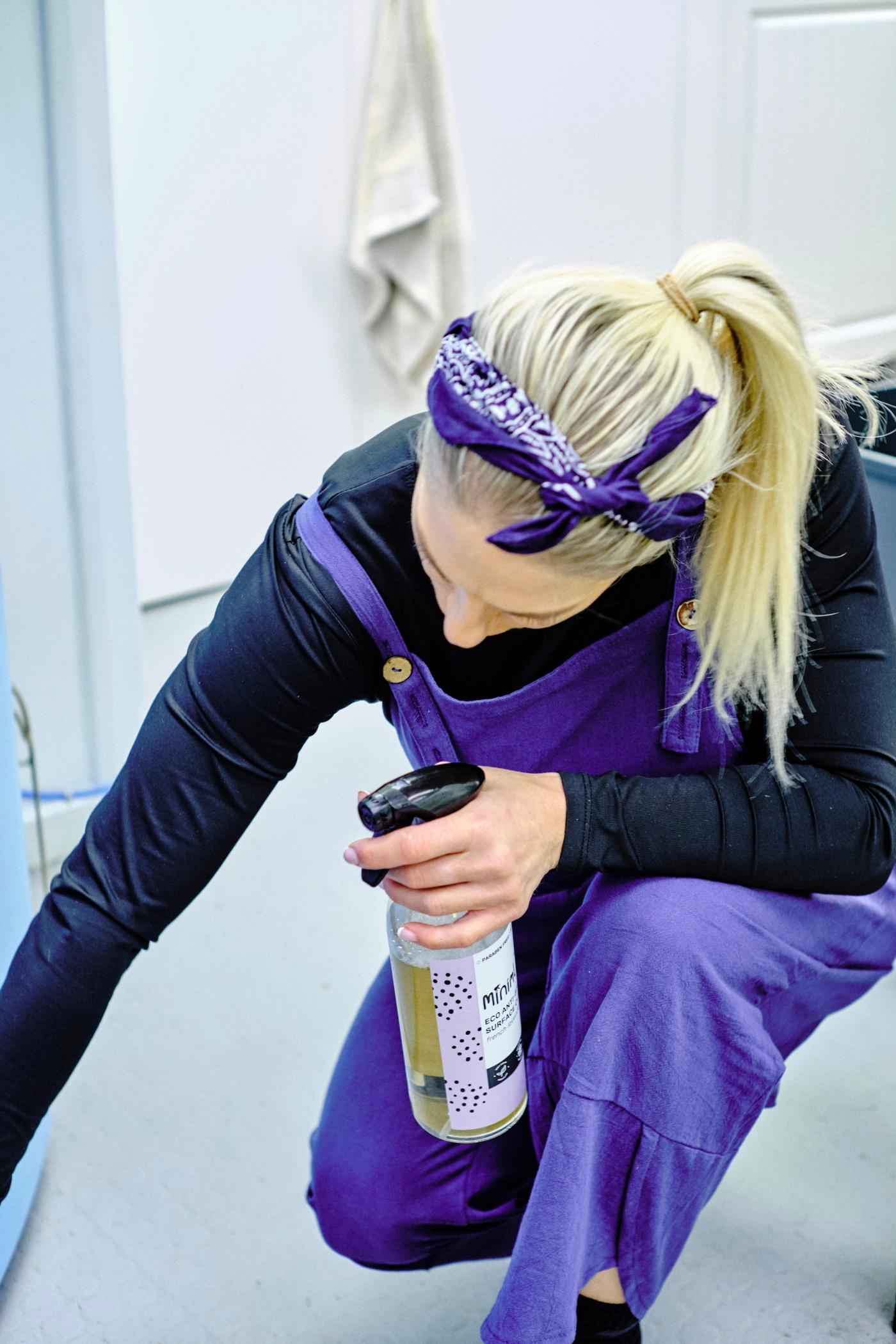
Low-tox, plant-based products are useful in pet homes because they are kind to families and pets. Willow Alexander cleaners use products with this approach, with less single-use waste.
Kitchens, bowls and feeding areas
Pet feeding areas often need more attention than expected. Water bowls splash. Food crumbs travel. Mats become sticky. Clean bowls regularly and wipe the floor beneath them. If food is stored in cupboards, check for crumbs and residue around containers.
Kitchens also collect pet hair because animals often wait there during cooking. Vacuum edges, wipe lower cupboard fronts and clean bin areas. If pets are fed near a back door, combine feeding-zone cleaning with entrance cleaning.
A fresh feeding area helps the whole kitchen feel cleaner.
Bedrooms and pets: what to consider
If pets sleep in bedrooms or on beds, cleaning needs increase. Hair settles on textiles, floors and bedside areas. Wash bedding regularly, vacuum under the bed, clean skirting boards and dust surfaces. Pet steps, baskets or blankets should be included too.
If you prefer pets not to sleep on beds, provide a washable bed nearby and keep the routine consistent. The easier the pet area is to clean, the more likely it is to stay fresh.
Bedrooms should feel restful. A pet-friendly home can still have calm, clean sleeping spaces with the right habits.
Why regular professional cleaning helps pet homes
Professional regular cleaning helps by keeping the underlying home fresh. It does not replace daily pet care, but it supports it. Floors, dusting, bathrooms, kitchens, bins, surfaces and detail areas are kept on a rhythm, so fur and residue do not become overwhelming.
Willow Alexander is family-run, with fully insured, vetted teams. Every cleaner is DBS-checked, reference-verified and trained to the Willow Alexander standard before working in a client's home. Cleaners arrive with all products and equipment needed, so clients do not need to provide anything. If you prefer your own products, you can simply say so.
For pet owners, this consistency can make the difference between constantly catching up and simply enjoying the home.
Carbon-conscious cleaning for pet households
Willow Alexander has been Carbon Neutral since 2023, verified by One Carbon World to the Carbon Neutral International Standard and renewed annually. The fully electric fleet covers every route from London to Kent, with zero tailpipe emissions.
For households that care about pets, family and the environment inside the home, this approach fits naturally with plant-based, low-tox cleaning products and less single-use waste.
A cleaner home without losing the joy of pets
Cleaning a house with pets is a matter of rhythm, not perfection. Wipe paws before mud travels, wash bedding before odour settles, vacuum edges before fur gathers, and arrange regular cleaning before the home feels difficult to manage. With the right routine, a pet-friendly home can feel warm, lived-in and beautifully cared for, without asking you to choose between comfort and cleanliness.
Common questions
How often should you clean a house with pets?
Many pet homes benefit from weekly cleaning, especially with dogs, multiple pets or heavy shedding. Fortnightly cleaning may suit lighter households with good daily habits.
How do I stop my house smelling of pets?
Wash pet bedding, clean bowls, vacuum soft furnishings, wipe feeding areas and keep entrances clean after walks. Regular cleaning helps prevent odour from settling.
What areas collect the most pet hair?
Pet hair gathers on rugs, sofas, stairs, skirting boards, under furniture, around radiators and in corners. These areas need consistent attention.
Are Willow Alexander products suitable for homes with pets?
Willow Alexander uses low-tox, plant-based products that are kind to families and pets, with less single-use waste.